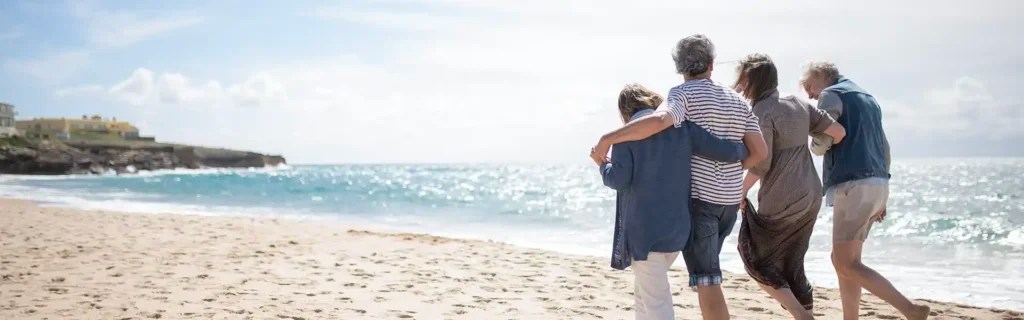
Spain has long attracted retirees with its climate and lower cost of living, but an increasing number of seniors are choosing the country for its built‑in opportunities for social interaction. For many, the ability to maintain an active, connected life after retirement is now as important as financial considerations.
Social life built into everyday Spanish life
- Municipal cultural centers (centros culturales) offer regular programs such as aqua‑gym, dance, language courses, arts workshops, and card games. Attending the same class each week creates routine and familiarity.
- Public pools (piscinas municipales) provide low‑cost swimming and exercise facilities.
- Parks and squares host informal games like pétanque, encouraging spontaneous encounters.
- Day centers (centros de día) give older adults daytime meals, medication assistance, and peer companionship, while giving families reassurance that their relatives are not isolated.
These services are part of the local infrastructure and are not tailored specifically for expatriates, meaning newcomers can tap into an existing social network without having to create one from scratch.
Size of the foreign resident community
- At the end of 2025 Spain recorded more than 7.5 million foreign residents with valid residence documentation, a 4.5 % increase over the previous year (Spain’s Permanent Immigration Observatory).
- The sizable expatriate population means that retirees are joining communities where international residents are already integrated into daily life.
Types of community that retirees may prefer
| Preference | Typical locations | Social features |
|---|---|---|
| Established English‑speaking networks | Alicante, Dénia, Altea | Walking groups, English‑language quiz nights, golf and bowls clubs, regular expat meet‑ups |
| Deep integration into Spanish culture | Galicia, Basque Country | Village fiestas, parish activities, sociedades gastronómicas (private cooking clubs), strong emphasis on learning Spanish |
| Activity‑focused social circles | Canary Islands | Hiking clubs, sailing groups, outdoor fitness gatherings |
The “right” destination depends on whether a retiree values an immediate English‑speaking support system, wants to immerse themselves in local traditions, or prefers to build friendships around shared hobbies.
Practical due‑diligence beyond finances
- Visit off‑season – A town in August may appear bustling with tourists, while a typical Tuesday in February reveals the regular schedule of the local cultural centre and the everyday rhythm of residents.
- Identify a weekly activity – Pinpoint a specific class, pool session, or club you could realistically attend each week; this forces a concrete view of daily life rather than a vague “stay active.”
- Assess local services – Check the availability of day centres, municipal pools, and community programmes that match your interests.
While property prices, healthcare quality, and climate remain essential factors, the predictability of an ordinary week often determines long‑term satisfaction.
Residency pathway for non‑EU retirees
- Non‑Lucrative Visa – Allows non‑EU citizens to reside in Spain provided they meet financial thresholds, hold private health insurance, and satisfy other stipulated requirements.
- Obtaining the visa grants legal residency but does not guarantee successful social integration; the everyday community factors outlined above remain critical.
Choosing Spain for retirement now involves weighing not only cost and climate but also the ease with which the country’s public infrastructure supports an active, socially rich lifestyle. Understanding personal preferences, testing the local routine during an off‑peak visit, and planning concrete weekly activities can help retirees build a fulfilling life beyond merely changing address.
Source article: www.globalcitizensolutions.com





