The U.S. immigration system faced three significant developments in the past week: a federal judge lifted the immigrant‑visa freeze affecting ten citizenship‑by‑investment (CBI) jurisdictions, the Department of Homeland Security (DHS) proposed a $103,265 fee on cap‑subject H‑1B petitions, and the State Department signaled a plan to revoke up to 200,000 B‑1/B‑2 visitor visas issued between 2016 and 2026 to individuals who later filed asylum claims.
Court vacates the immigrant‑visa freeze for ten CBI countries
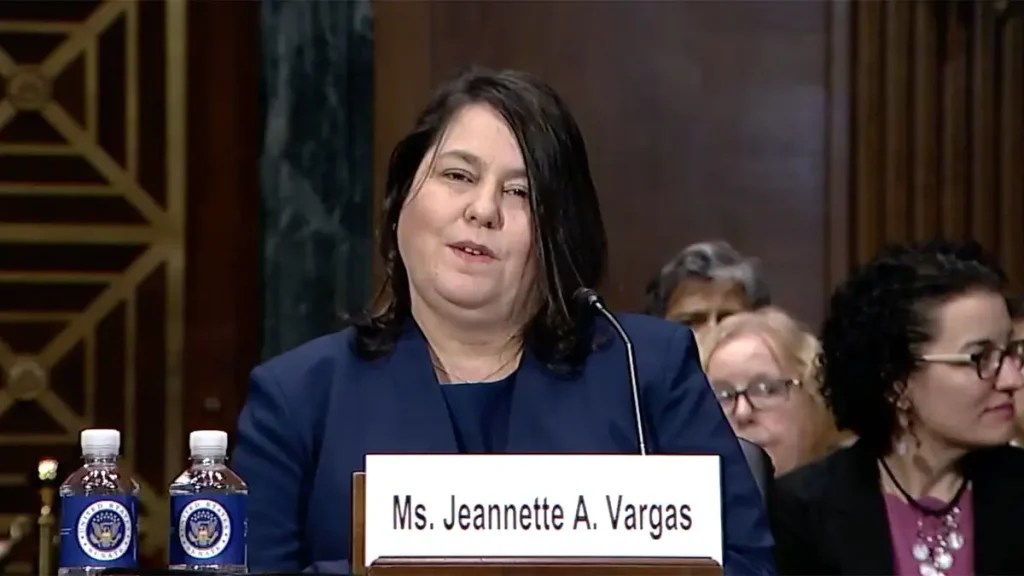
- Judge: Jeannette A. Vargas, Southern District of New York
- Case: Catholic Legal Immigration Network, Inc. v. Rubio (61‑page opinion)
- Date: August 21, 2026
- Outcome: The State Department’s policy that barred immigrant visas for nationals of 75 countries was declared “patently unlawful” for exceeding statutory authority and violating the federal prohibition on nationality‑based discrimination. All refusals based solely on the freeze must be reconsidered, and consular officers must evaluate applicants individually.
Countries affected: Antigua and Barbuda, Cambodia, Dominica, Egypt, Grenada, Jordan, Saint Kitts and Nevis, Saint Lucia, Saint Vincent and the Grenadines, and Sierra Leone. These nations were on the “January list” of the freeze, which also targeted EB‑5 investors, family‑reunification, and diversity‑lottery applicants across all immigrant‑visa categories.
- Government response: State Department spokesman Tommy Pigott called the ruling a “rogue judge’s misguided opinion” and indicated an appeal to the Second Circuit, where a stay could also be sought.
A separate preliminary injunction was issued on August 25 by Judge Amir H. Ali (District of Columbia) in Storie v. Trump, supporting the plaintiffs but leaving the Manhattan decision as the primary relief.
DHS proposes a $103,265 fee on cap‑subject H‑1B petitions
- Notice of Proposed Rulemaking: Docket USCIS‑2026‑0298, published August 25, 2026.
- Proposed fee: $103,265 per petition for H‑1B visas subject to the annual cap, payable at filing and added to existing fees.
- Scope: Applies to regular cap petitions and the 20,000‑slot advanced‑degree exemption. Cap‑exempt petitions (university, nonprofit, research organization) and H‑1B transfers between employers are excluded.
- Implementation timeline: No immediate effect; comments close September 24, 2026. The earliest enforcement date is April 2027, pending final rule adoption.
Financial impact: Estimated $8.8 billion in annual revenue, intended to fund adjudication, immigration courts, and consular processing across six agencies. DHS projects a “major economic impact” on 11,051 small entities (76 % of small cap filers in FY 2025).
-
Legal context: The proposal is separate from Proclamation 10973 (Sept 2025), which imposed a $100,000 payment on H‑1B beneficiaries abroad. That proclamation was vacated by Judge Leo Sorokin on June 8, 2026, and the First Circuit denied a stay on July 24, 2026. If both the proclamation and the new fee survive, combined costs could exceed $203,000 per petition.
-
Industry reaction: Neil Bradley, chief policy officer at the U.S. Chamber of Commerce, warned the fee could make the H‑1B program “cost‑prohibitive” for many employers.
Reported plan to revoke up to 200,000 visitor visas
-
Source: Associated Press, based on internal State Department documents and anonymous officials.
-
Targeted visas: B‑1 (business) and B‑2 (tourist) visas issued from 2016‑2026 to individuals who later filed asylum claims.
-
Potential scope: As many as 200,000 visas could be revoked. Revocation would not trigger immediate removal; affected individuals would lose their visitor status and would need to seek another immigration category.
-
Legal authority: Section 221(i) of the Immigration and Nationality Act permits the Secretary of State or a consular officer to revoke a visa at any time, with limited judicial review (only within removal proceedings).
-
Policy background: The revocation plan aligns with the administration’s earlier “visa bond” program, which targeted B‑1/B‑2 visas issued to CBI nationals lacking a residency requirement.
-
Commentary: Legal analyst David Lesperance expects the blanket revocation to have a stronger chance of surviving judicial scrutiny than earlier bans, though he notes that ultimate court outcomes remain uncertain.
Broader implications for mobility
Mohamed Bennis, senior vice president of Arton Capital, cautioned that the rapid policy shifts illustrate a growing “resilience” issue for global mobility. Reliance on a single jurisdiction’s visa regime can become a point of failure as governments increasingly use border controls as tools of domestic and foreign policy. The recent court win does not guarantee stability; mobility itself is becoming less predictable.
Source article: www.imidaily.com




