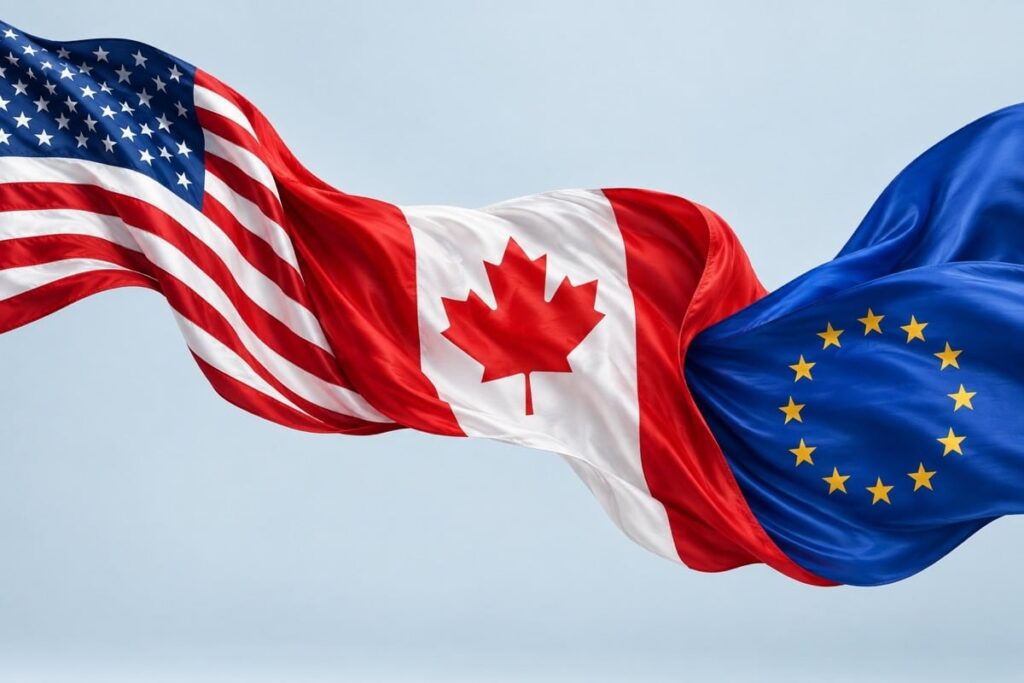
Canada may soon become the EU’s first “associate member,” a move that could widen youth‑mobility options, while Americans with Canadian ancestry can now claim citizenship and benefit from any future Canada‑EU agreements.
- Ursula von der Leyen floated the associate‑member model on 16 Sept 2024; PM Mark Carney reaffirmed it to the European Parliament on 17 Sept, citing deeper people‑to‑people ties.
- Existing IEC programme already lets Canadians (30 y, up to 35 y in some deals) work or study in France, Germany, Belgium and 35+ other countries; a Canadian passport grants visa‑free short stays across the Schengen Area.
- Bill C‑3 (effective 15 Dec 2025) removed the first‑generation limit on citizenship by descent – anyone born before that date with a Canadian grand‑parent, great‑grandparent, etc., can apply for citizenship.
- New citizens gain a Canadian passport, Schengen visa‑free access, eligibility for Canada’s health‑care system, and IEC mobility rights.
- To apply: identify the “anchor ancestor,” collect proof of each generation’s link, submit documents, photos and fee to IRCC. Demand has surged – pending applications rose from 70,400 in May 2026 to 136,000 by Sept 2026.
- The associate‑member deal is still early‑stage; negotiations may take months or years, with a Canada‑EU summit slated for late October to clarify details.
Takeaway: If you qualify for Canadian citizenship by descent, file for a citizenship certificate now to be ready for any expanded Canada‑EU mobility benefits.
Source article: cicnews.com


