Global mobility planning in 2026 is increasingly moving away from single, high-cost “Plan B” solutions and toward layered strategies that combine residency and citizenship options across different jurisdictions.
High-net-worth individuals are no longer focusing only on the most prestigious passport or residence program. The emphasis is shifting toward flexibility, cost control, speed, and family optionality.
Why layered mobility strategies are gaining attention
The immigration landscape is changing quickly. Programs can become more expensive, due diligence requirements may tighten, and processing timelines can shift. Because of this, many applicants are looking for structures that do not depend on one country, one passport, or one residence route.
Instead of choosing a single program, some families are combining several tools:
- a lower-cost second citizenship for immediate mobility;
- a European residence permit for regional access and stability;
- a longer-term structure that can adapt if family, political, financial, or personal circumstances change.
The goal is not necessarily to obtain the most prestigious option. It is to create more usable flexibility at a lower overall cost.
The role of lower-cost citizenship programs
A growing number of applicants are considering more accessible citizenship options in jurisdictions such as:
- Vanuatu;
- Nauru;
- São Tomé and Príncipe.
These passports are described as having relatively low financial thresholds and efficient processing. They are not presented as competing with top-tier travel documents, but they can serve a specific purpose: immediate mobility and an accessible backup citizenship.
In a layered strategy, this type of second passport may provide faster optionality while another residence or citizenship plan develops elsewhere.
Why Latvia is being paired with second citizenship
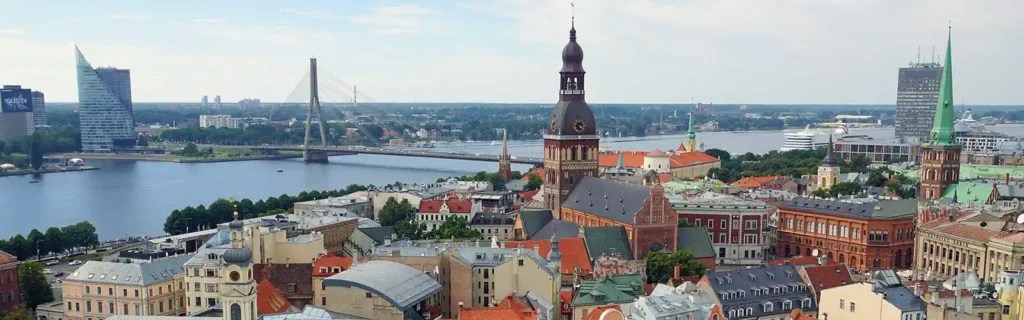
Latvia is being considered as a European residency option because of its lower entry threshold and flexible investment routes compared with more crowded or restrictive European programs.
The main appeal is not necessarily Latvian citizenship. Latvia’s path to citizenship is described as relatively long, and for many applicants this is no longer the central concern.
Instead, Latvia is being used for:
- access to Europe;
- presence in the EU and Schengen Area;
- regional diversification;
- a European residence base;
- family optionality.
For some applicants, the strategy is to obtain a second passport through a lower-cost citizenship jurisdiction while also securing European residency through Latvia’s Golden Visa framework.
Residency and citizenship serve different purposes
The newer approach separates citizenship and residency into different functions.
A second passport may provide immediate travel freedom and a fast Plan B. European residency may provide regional access, stability, and a foothold in Europe. Together, they can create a more balanced outcome than relying on one program to solve every need.
This approach also changes how applicants view timelines. A long citizenship timeline in Latvia may matter less if the applicant is not relying on Latvia for a passport. The Latvian residence permit becomes one part of a broader structure rather than the entire strategy.
Main planning lesson
The shift toward lower-cost, layered mobility planning is not about lowering ambition. It is about matching each program to a specific purpose.
Applicants should evaluate:
- whether they need immediate citizenship or only residence access;
- how quickly a passport or permit can be obtained;
- whether the program gives meaningful travel or regional access;
- total cost versus practical benefit;
- family coverage and long-term flexibility;
- whether the structure can adapt as laws, costs, and circumstances change.
Latvia’s role in this strategy is as a European residence option, while jurisdictions such as Vanuatu, Nauru, and São Tomé and Príncipe may serve as faster citizenship options. The broader trend is toward mobility planning built in layers, where no single passport or residence permit is expected to do everything.
Source article: www.globalcitizensolutions.com





